

GW Trustworthy AI Initiative

Empowering the next generation of innovators

Co-creating AI that works

Bridging the gap between the lab and the world
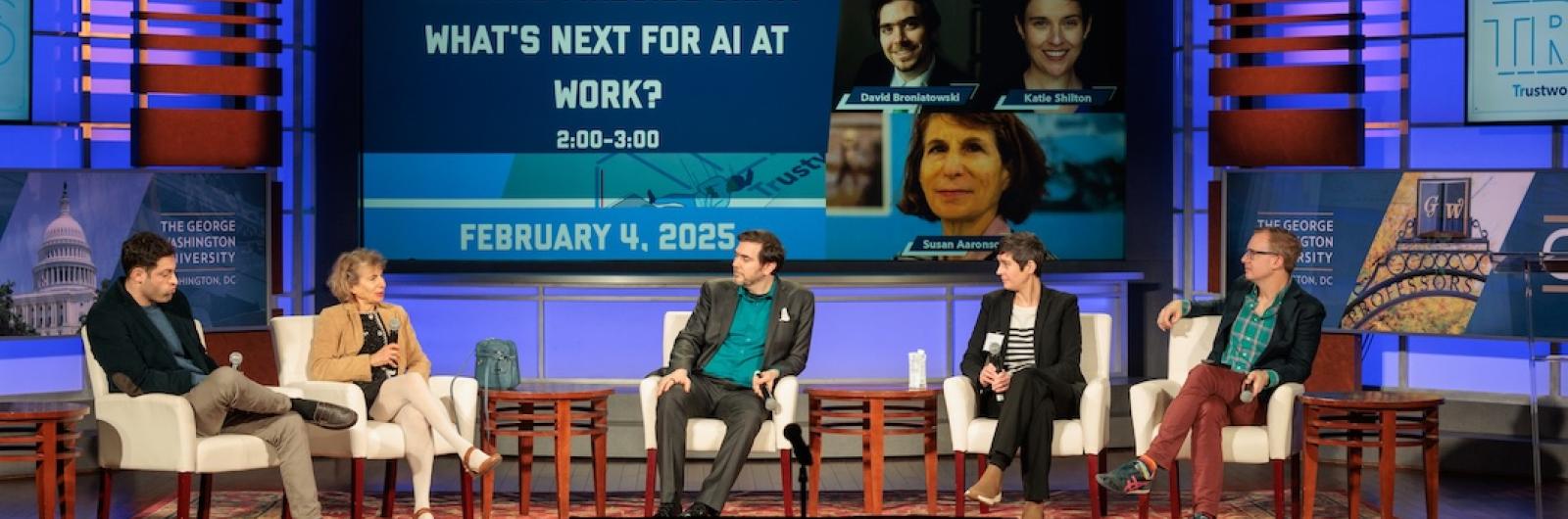
Critical conversations that drive real-world impact
Upcoming Events
GW TAI is leading the way in trustworthy AI in systems and for society.
Latest News

Announcing the New GW TAI Interim Director
Ioannis Koutroulis, MD, PhD, MBA, is a professor, physician, and associate dean with extensive experience leading the development, implementation, and governance of AI.
September 17, 2026
Ioannis Koutroulis, MD, PhD, MBA, has been appointed the Interim Director of the GW Trustworthy AI Initiative (GW TAI), effective September 1st.

GW PhD Fellows Apply AI to Real-World Problems
September 14, 2026
A group of 9 PhD fellows from 6 disciplines spent their summer applying trustworthy AI to address real-world problems and presented their work at a recent showcase.

Building a Website in Just a Few Minutes
August 19, 2026
Prof. John Helveston and PhD candidate Pingfan Hu recently hosted an “Agentic Workflows with Claude Code” workshop to empower members of the GW community to code responsibly using AI agents.